

Metal Choices
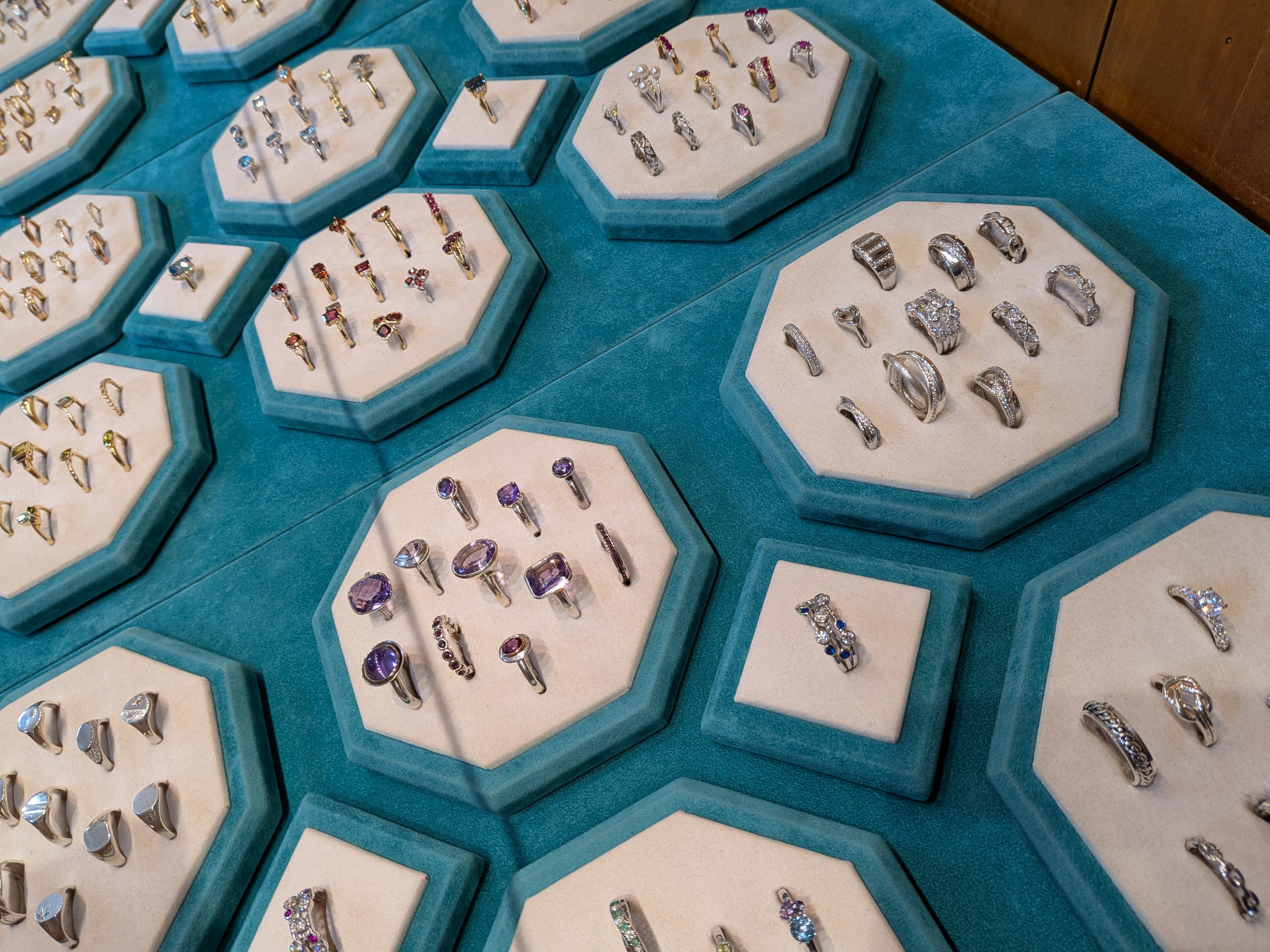
Engagement rings are traditionally made in gold and platinum.
-

White Gold
An alloy of gold with at least one white metal made bright through rhodium-plating. Your ring may periodically require rhodium plating to restore the colour.
-

Yellow Gold
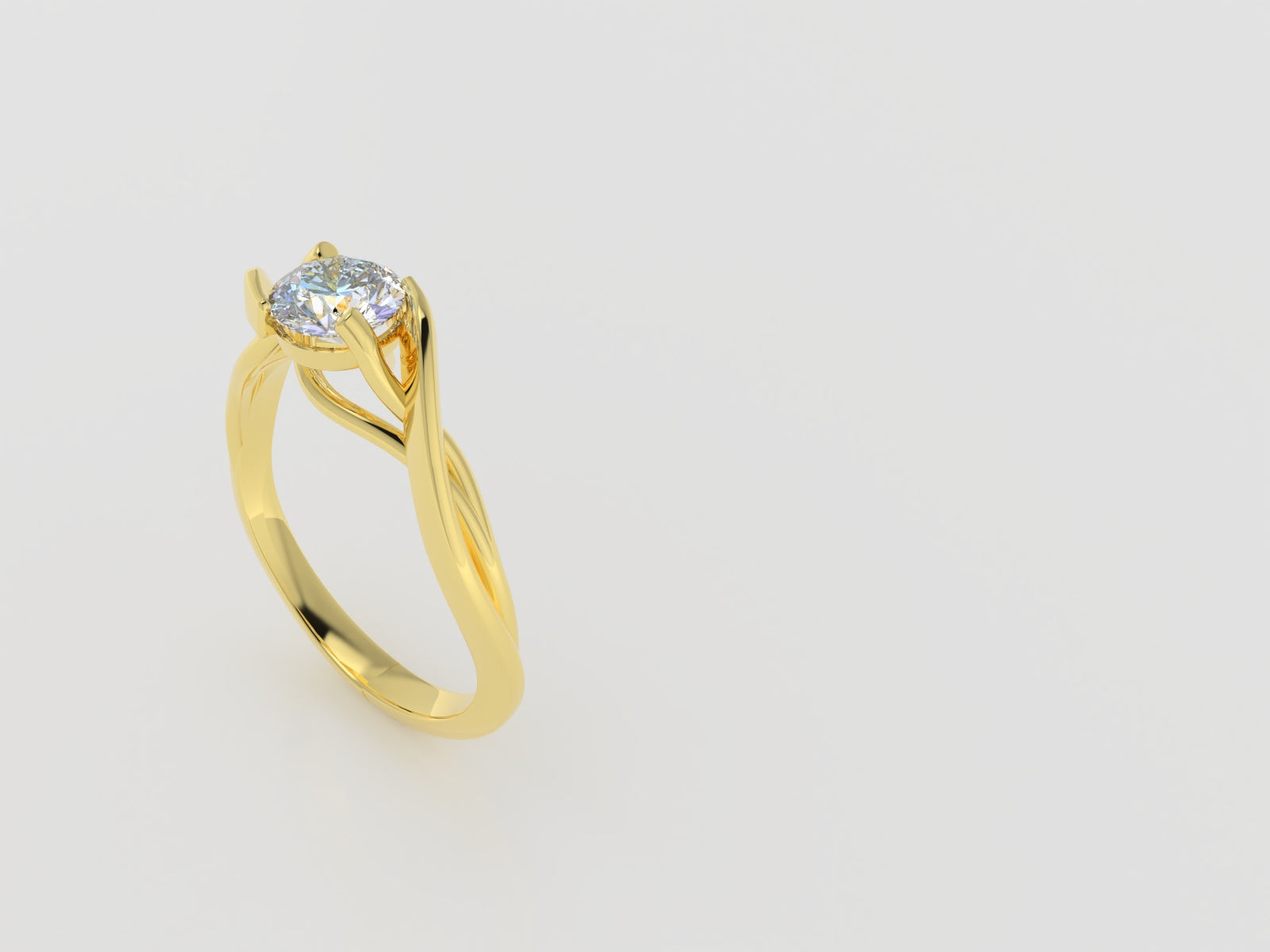
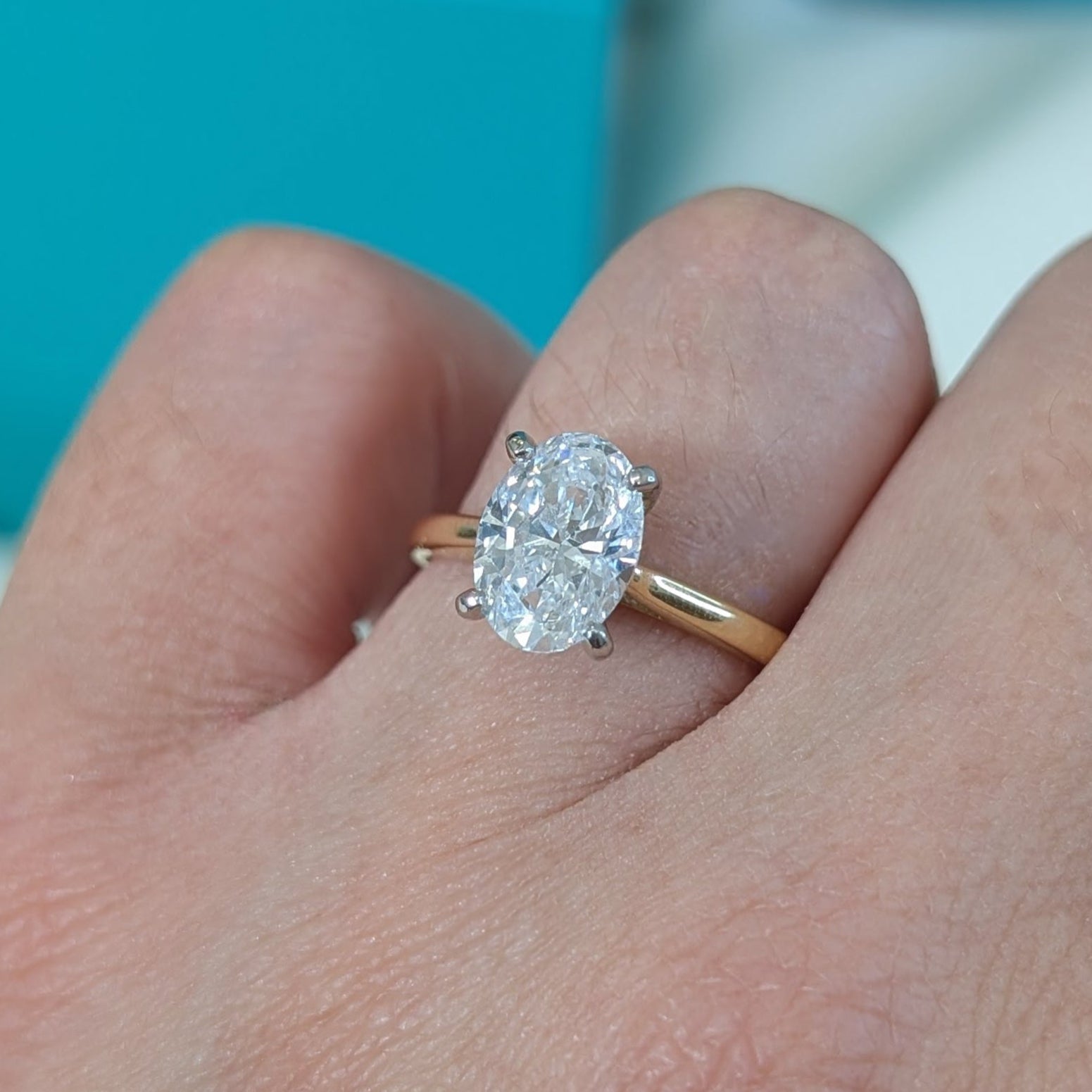
Warm and flattering for lots of skin tones – especially olive and darker skin types. Yellow gold is often chosen to contrast coloured gemstones.
-

Rose Gold
An alloy of gold, copper, and a touch of silver, rose gold has a romantic pink hue that has grown in popularity. It has a lovely warmth, ideal for pinker skin tones.
-

Platinum
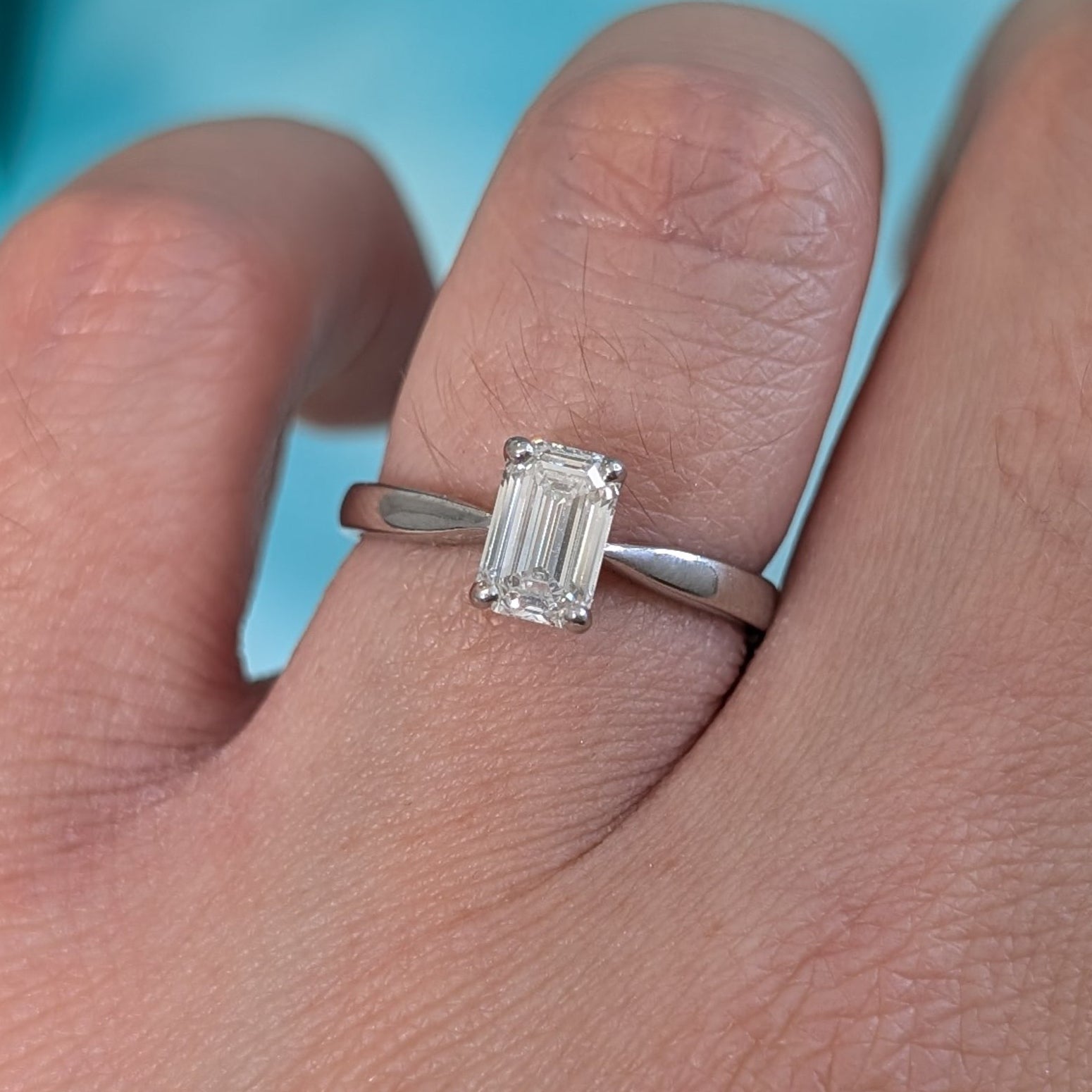
A naturally bright, dense and durable metal, we typically recommend platinum for white metal engagement rings. Unlike white gold it retains its colour and doesn't need to be re-plated.


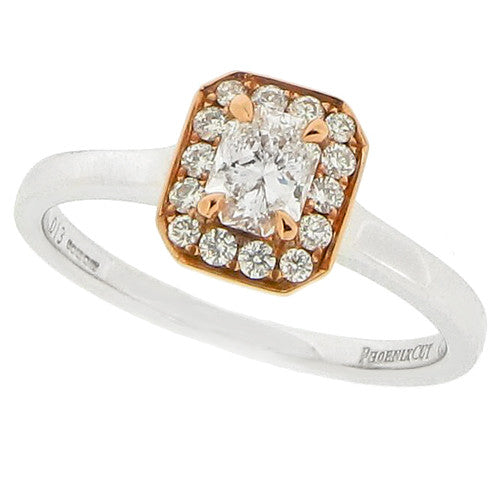
Mixed Metals
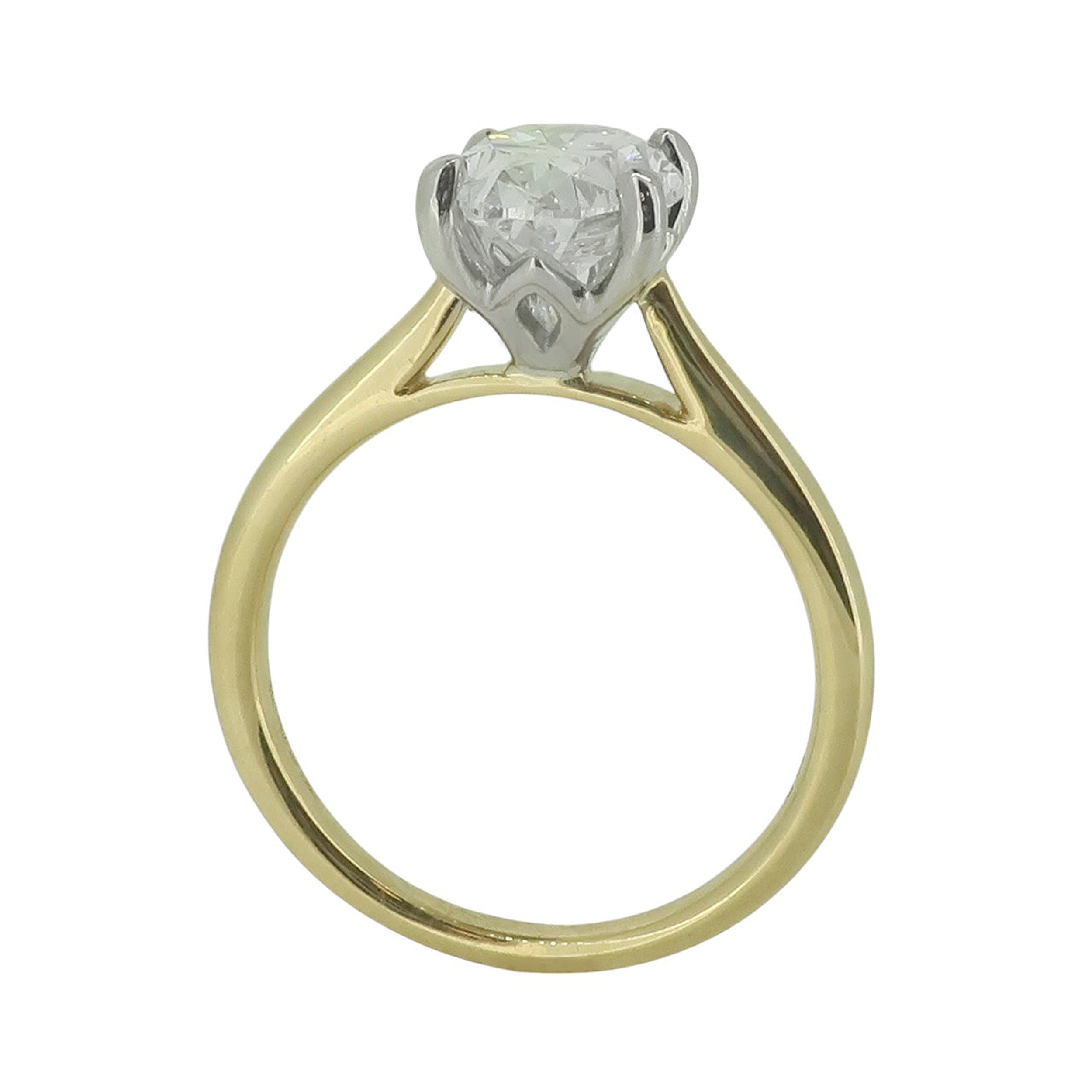
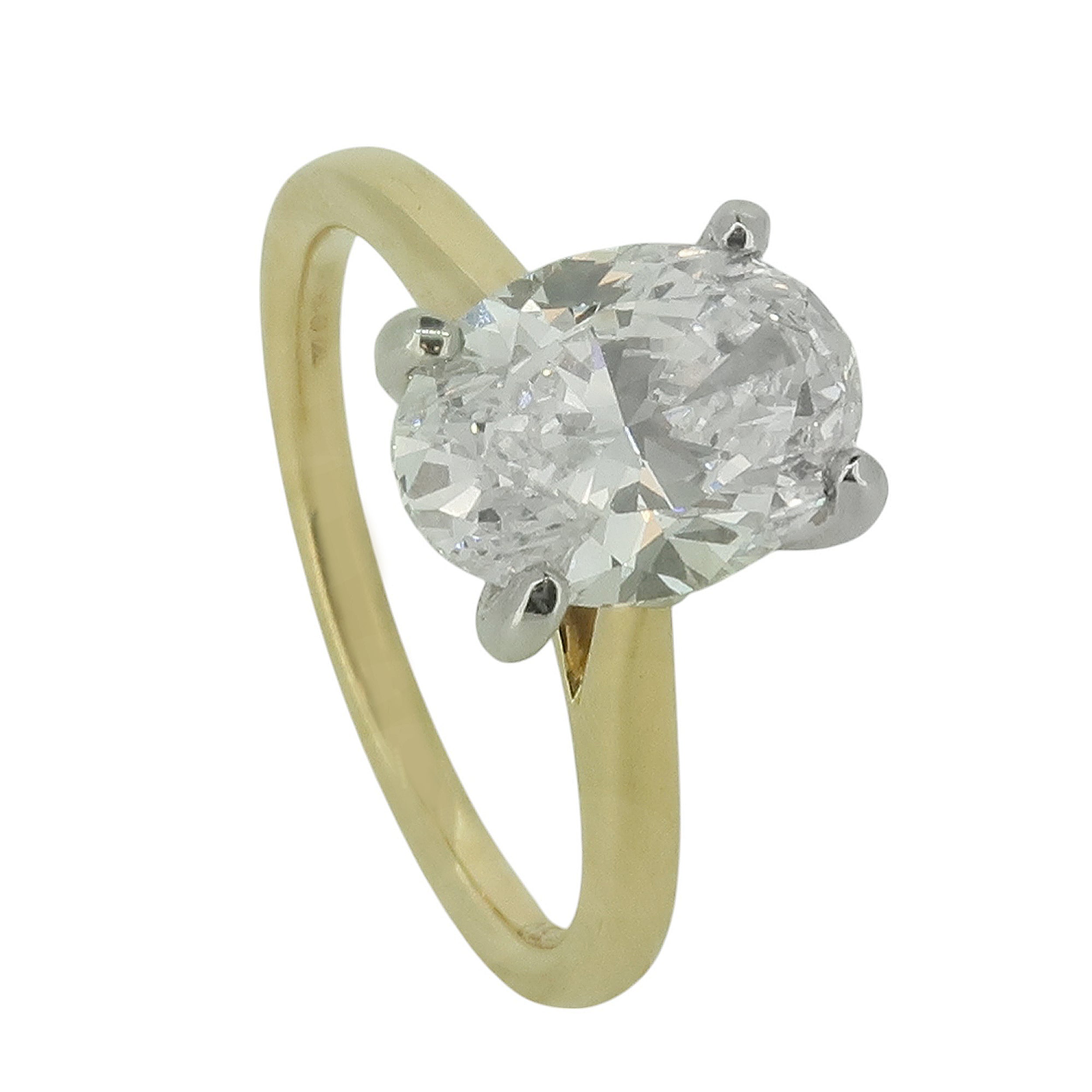
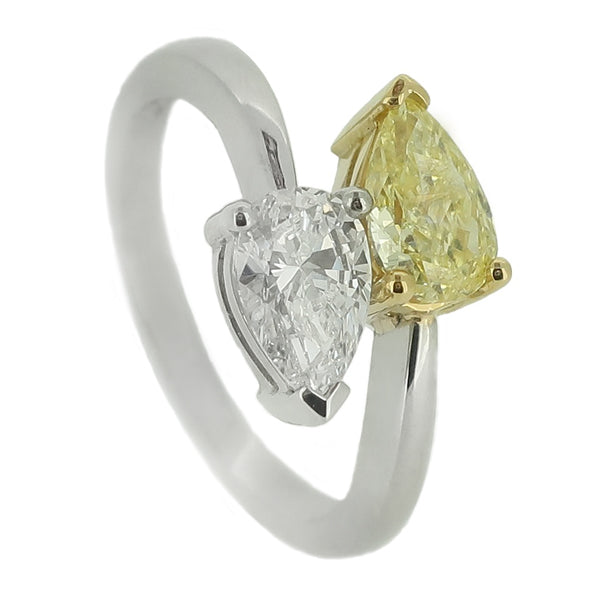
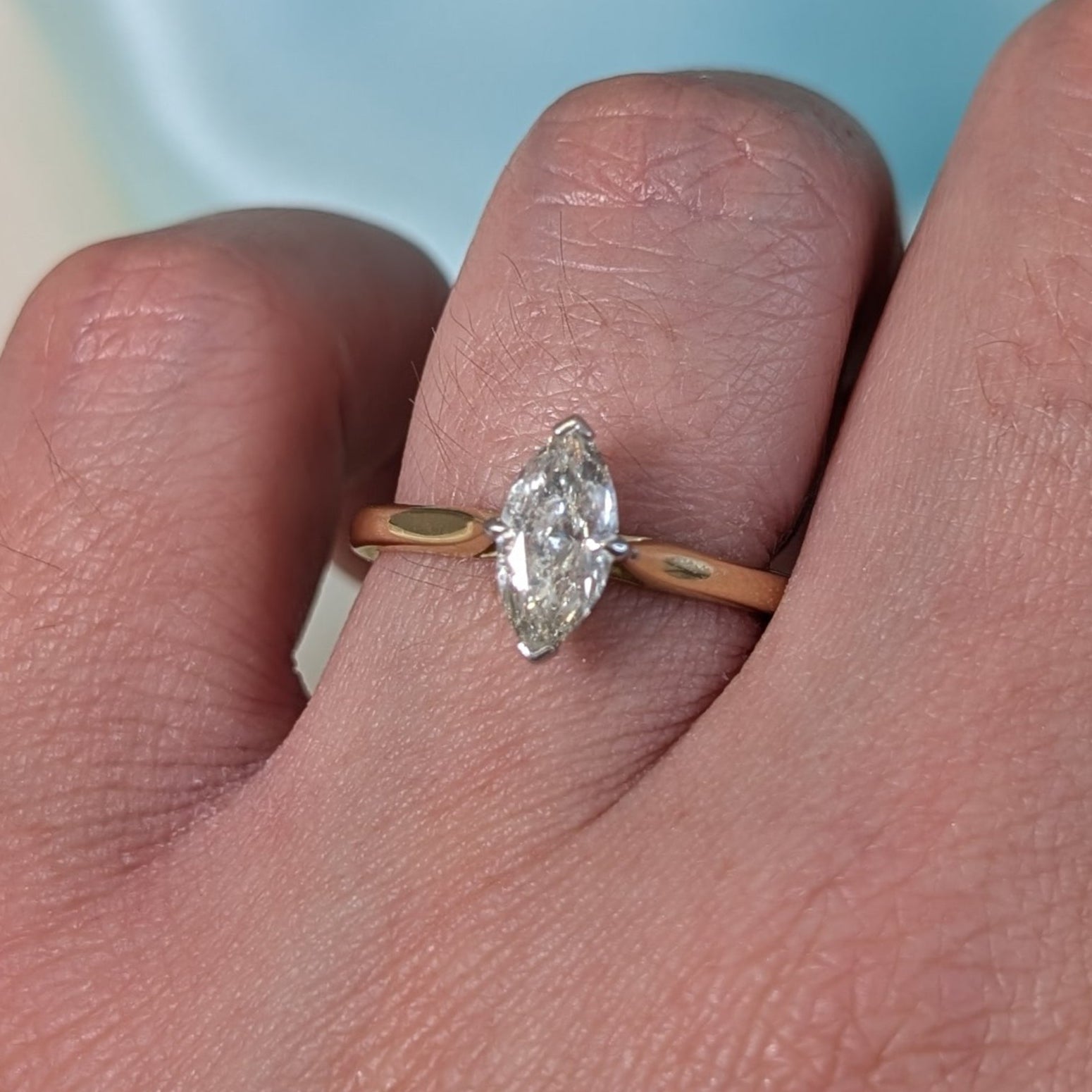
You can combine metals in engagement rings in lots of unique and creative ways. Many people contrast a white metal with yellow or rose gold to highlight different features of the ring.
Choosing Stones
When choosing the gemstone (or stones) for an engagement ring, there are several considerations.
Durability
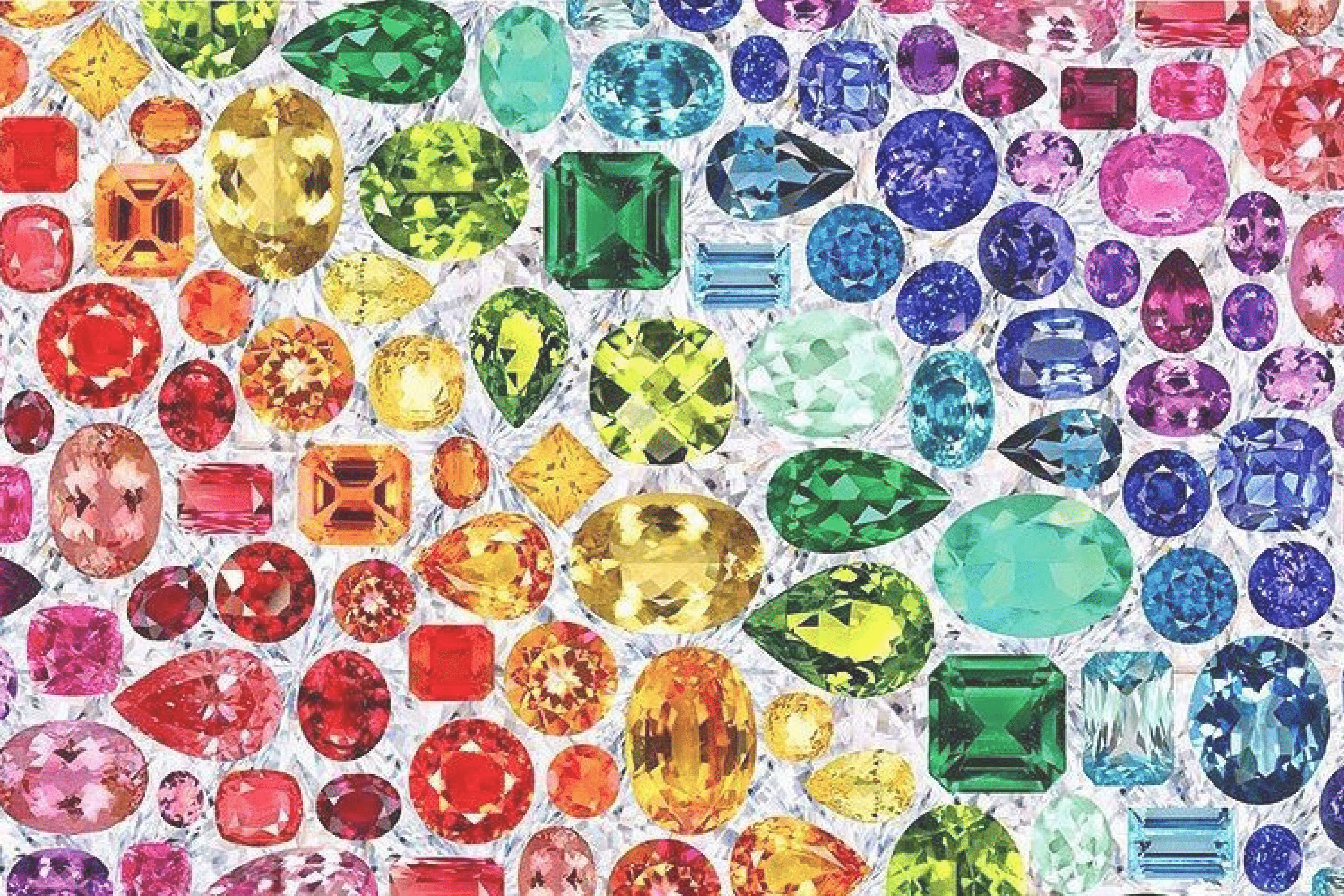
Durability is an important factor when selecting a gemstone, as engagement rings are worn every day. Gemstones differ greatly in their resistance to scratches and chipping, so we recommend considering a stone suitable for daily wear, and understanding any specific care requirements to preserve its appearance over time.
Natural vs Laboratory Grown
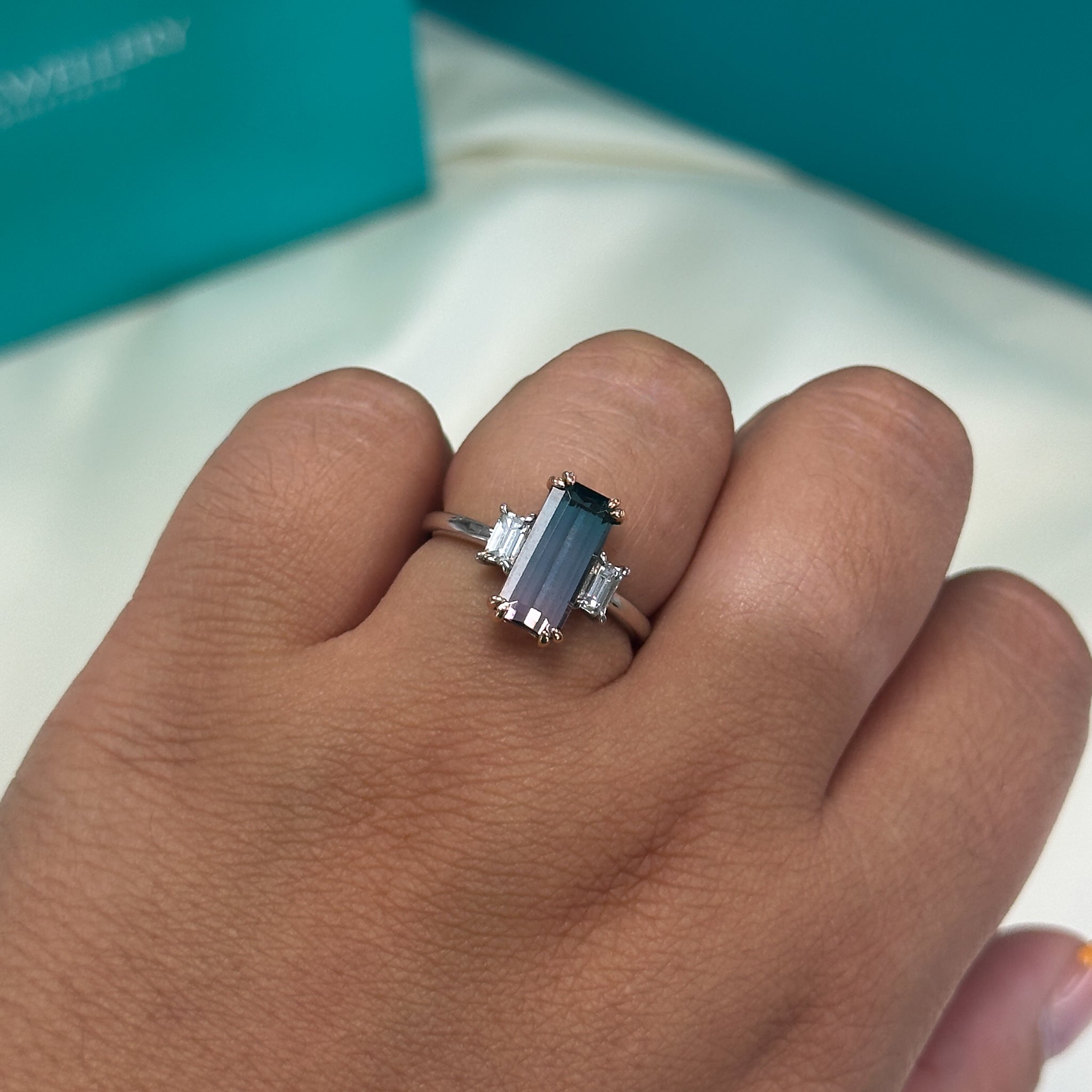
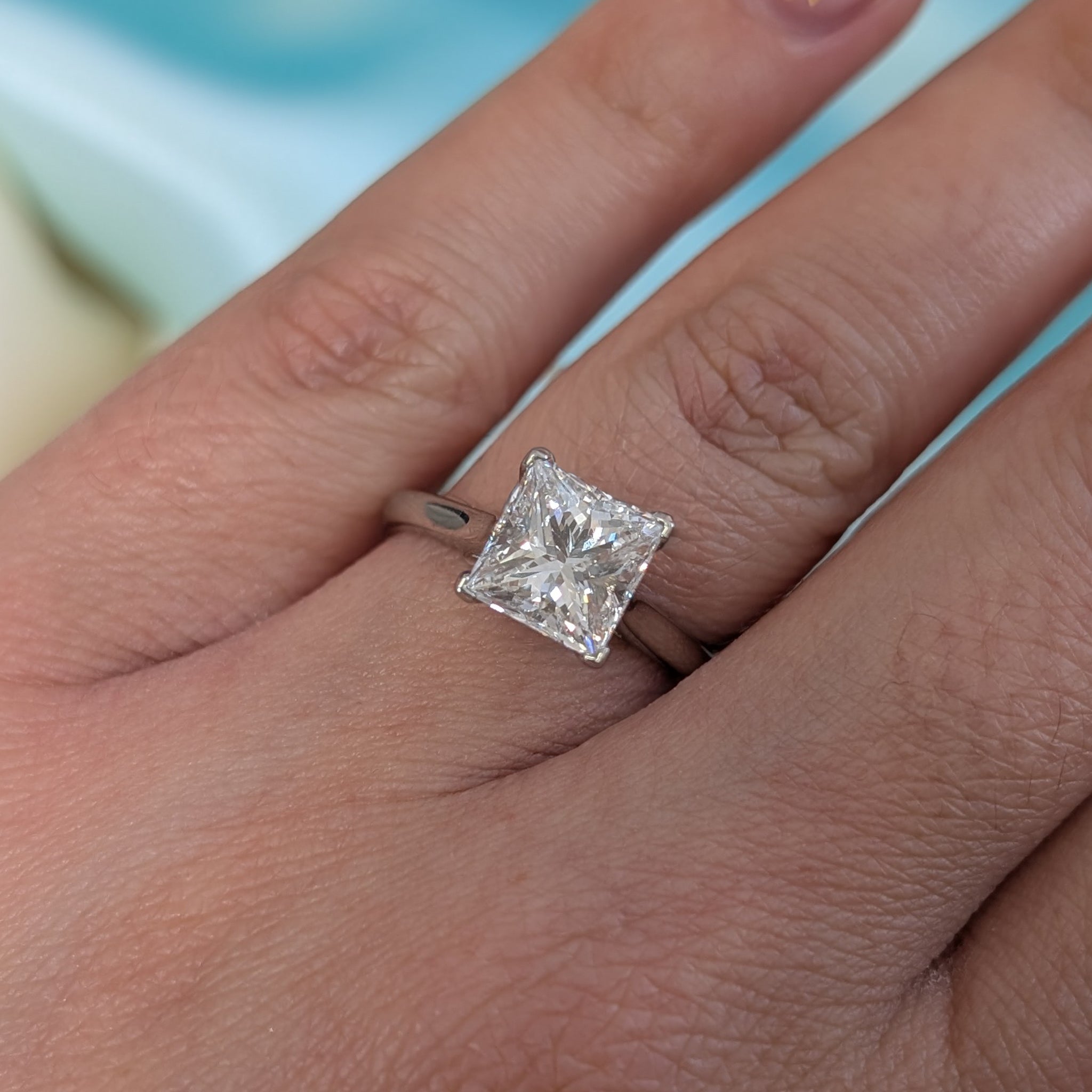
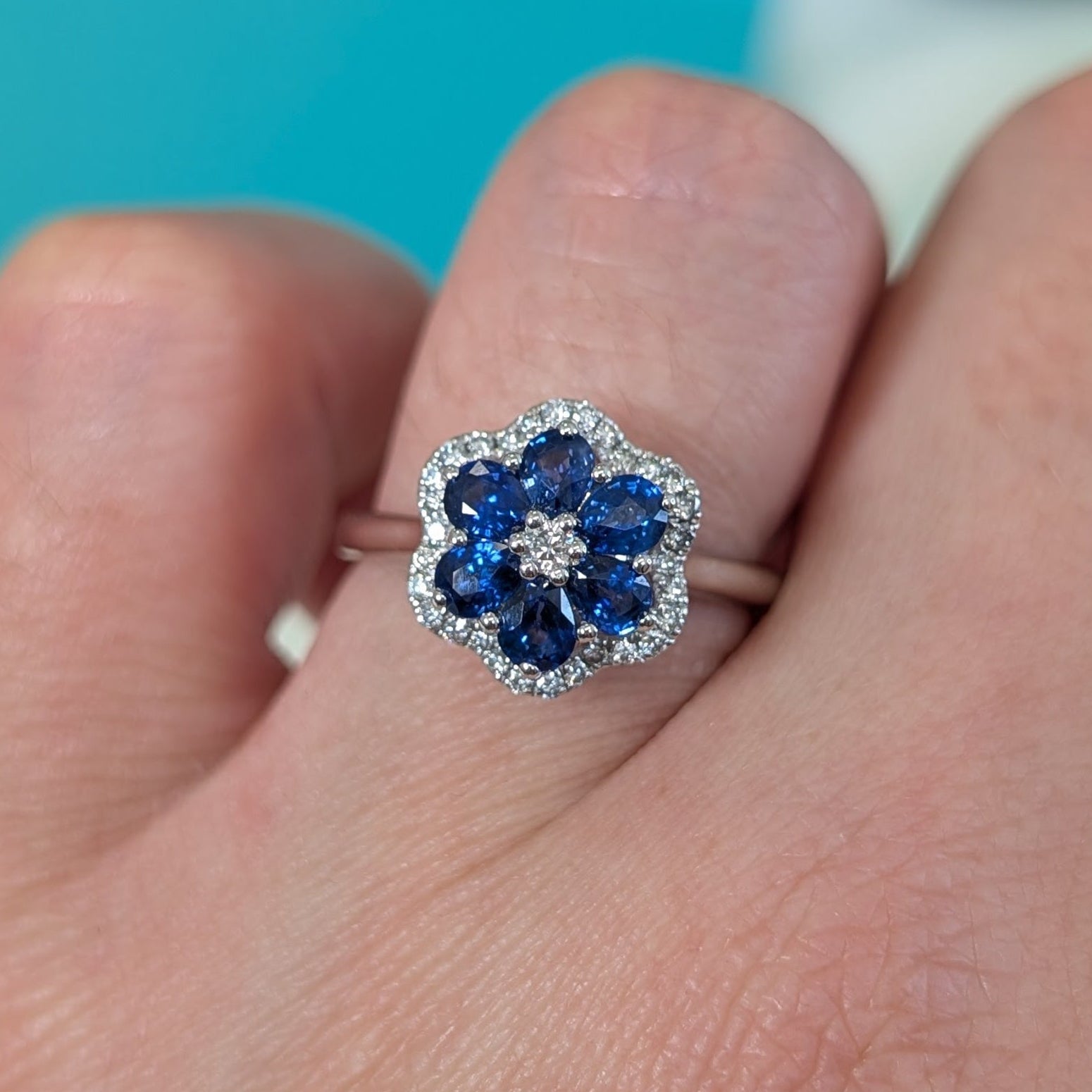
At PA Jewellery, we offer both laboratory grown and natural gemstone engagement rings. Both options offer beauty and sparkle, but differ in origin, cost, and environmental impact. Depending on your preference, we have a range of options to suit you.
New vs Pre-Loved
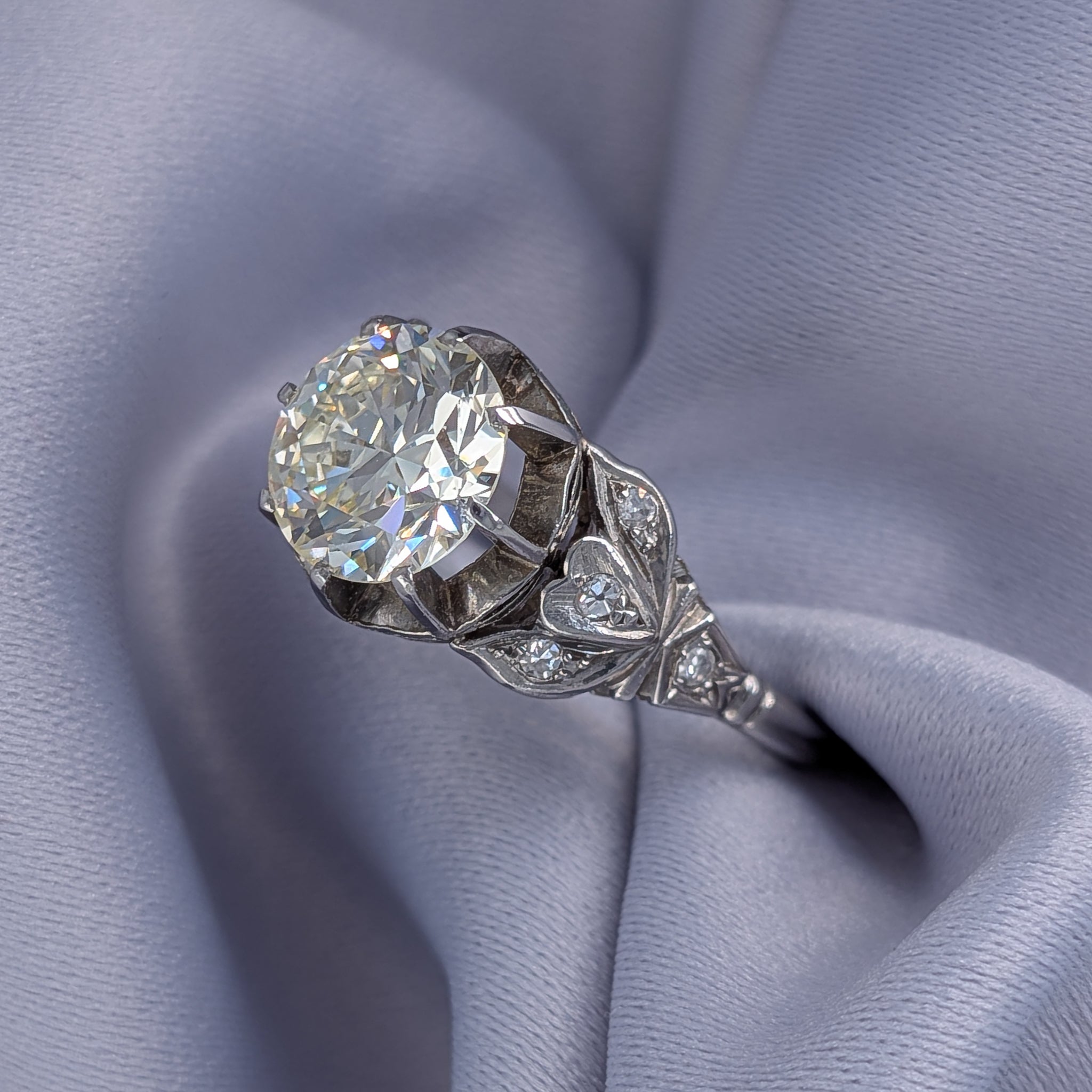
By offering both new and pre-loved engagement rings, we give you the opportunity to discover one-of-a-kind pieces with stories of their own. Our pre-loved collection features vintage and timeless designs with unique character and sparkling stones ready for a second life. These are often more affordable than buying new.
Styles
-

Solitaire
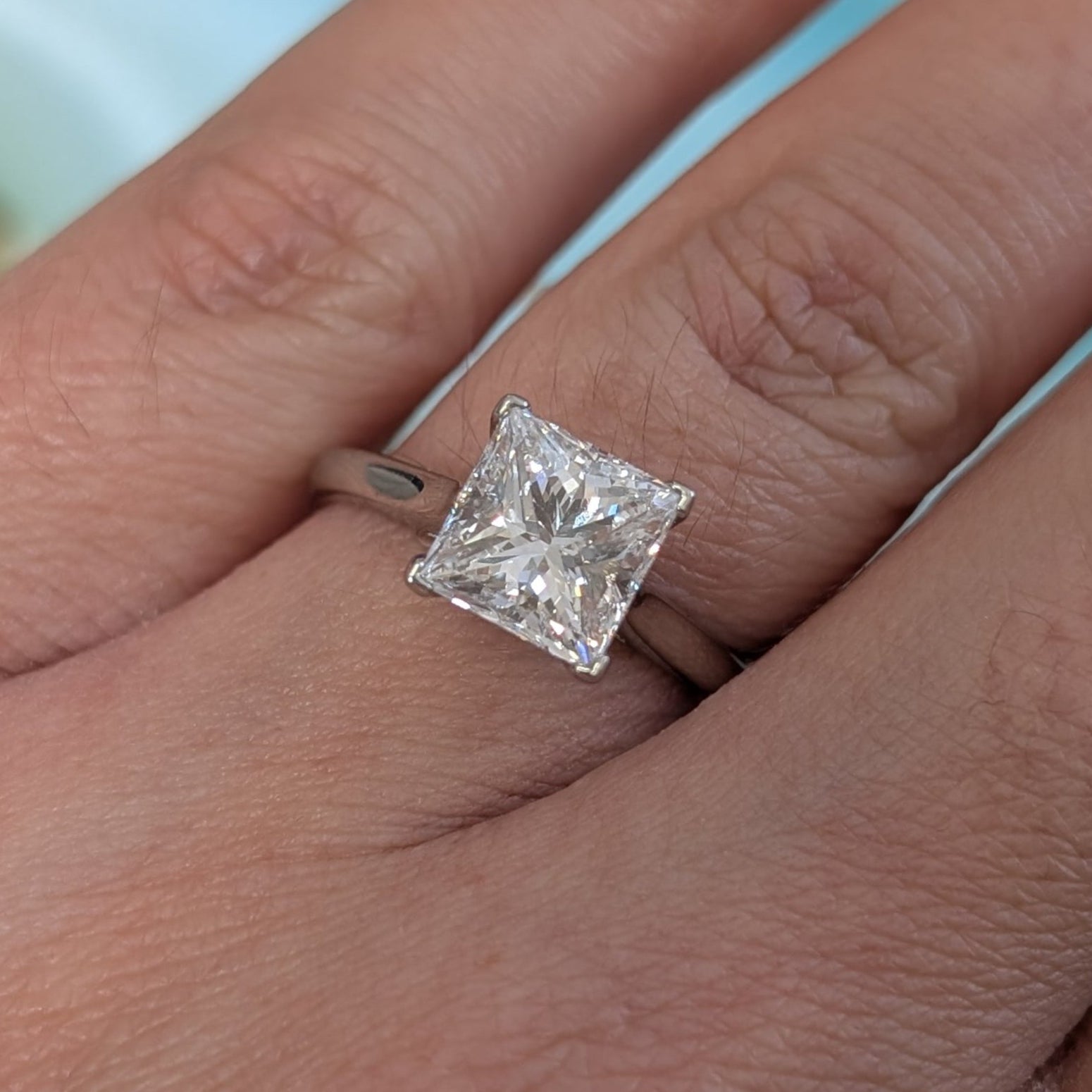
A single stone on a plain band, designed to showcase the stone. A classic look that never goes out of style.
-

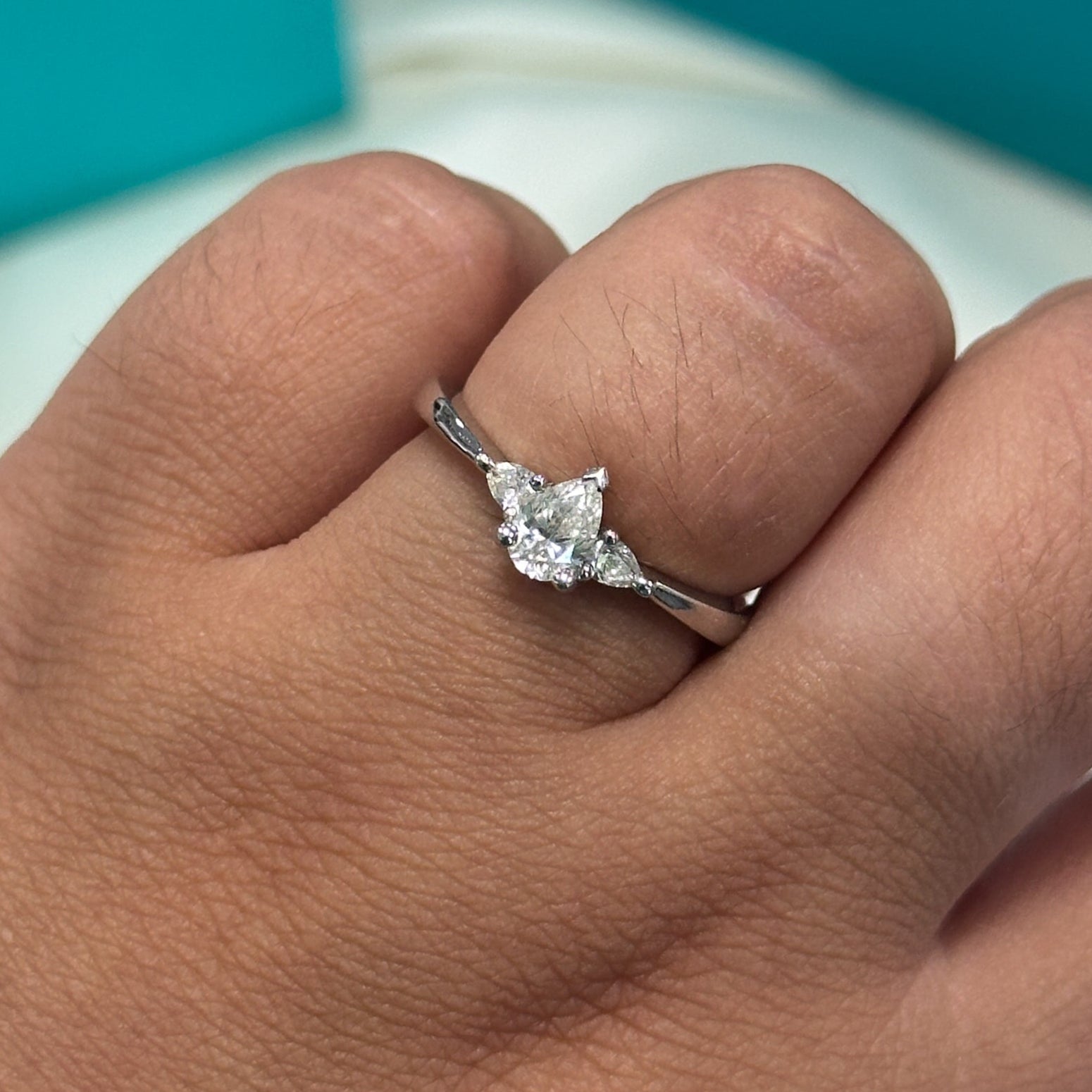
Trilogy
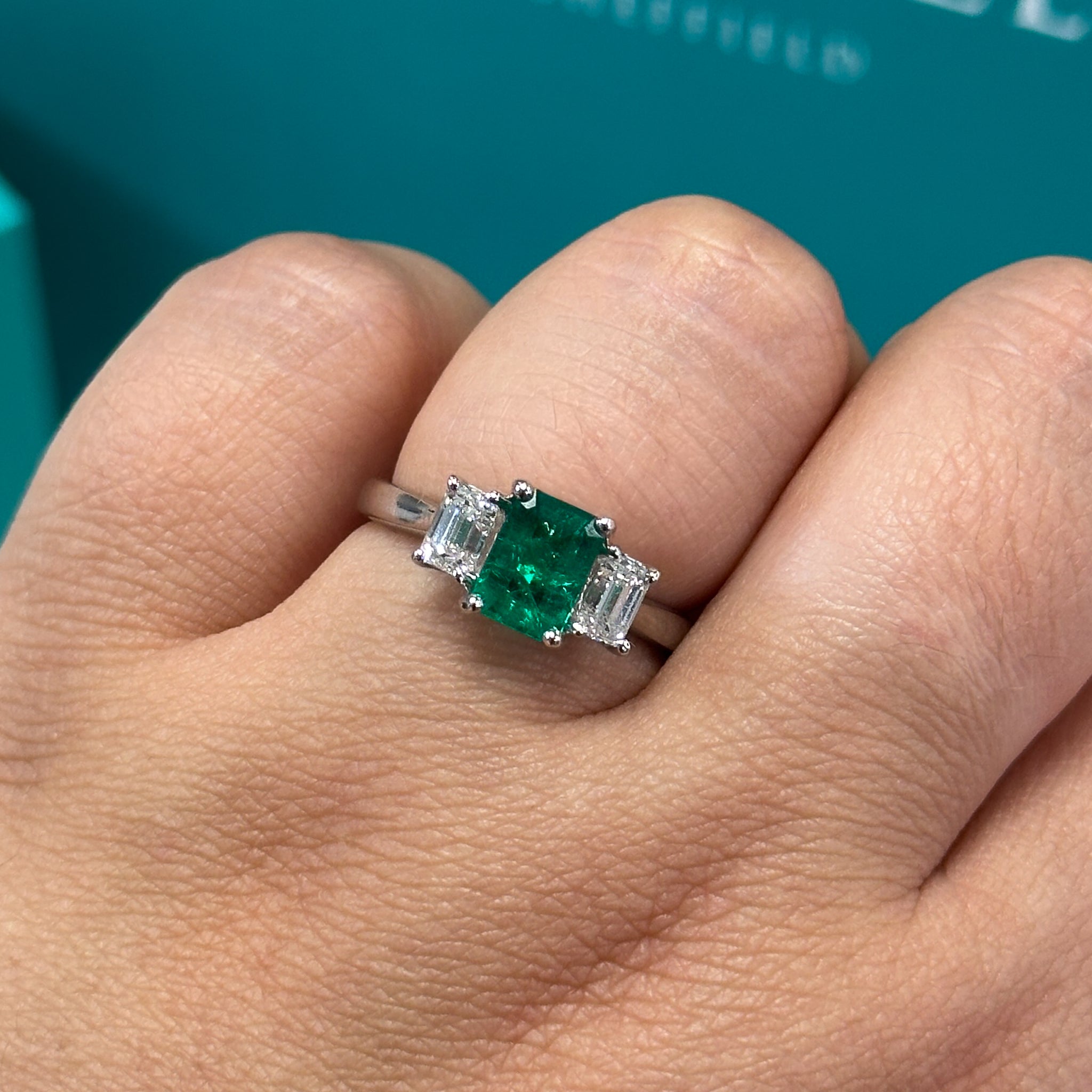
Three stones to symbolise the past, present, and future. They may feature various gemstones, often graduating in size.
-

Halo
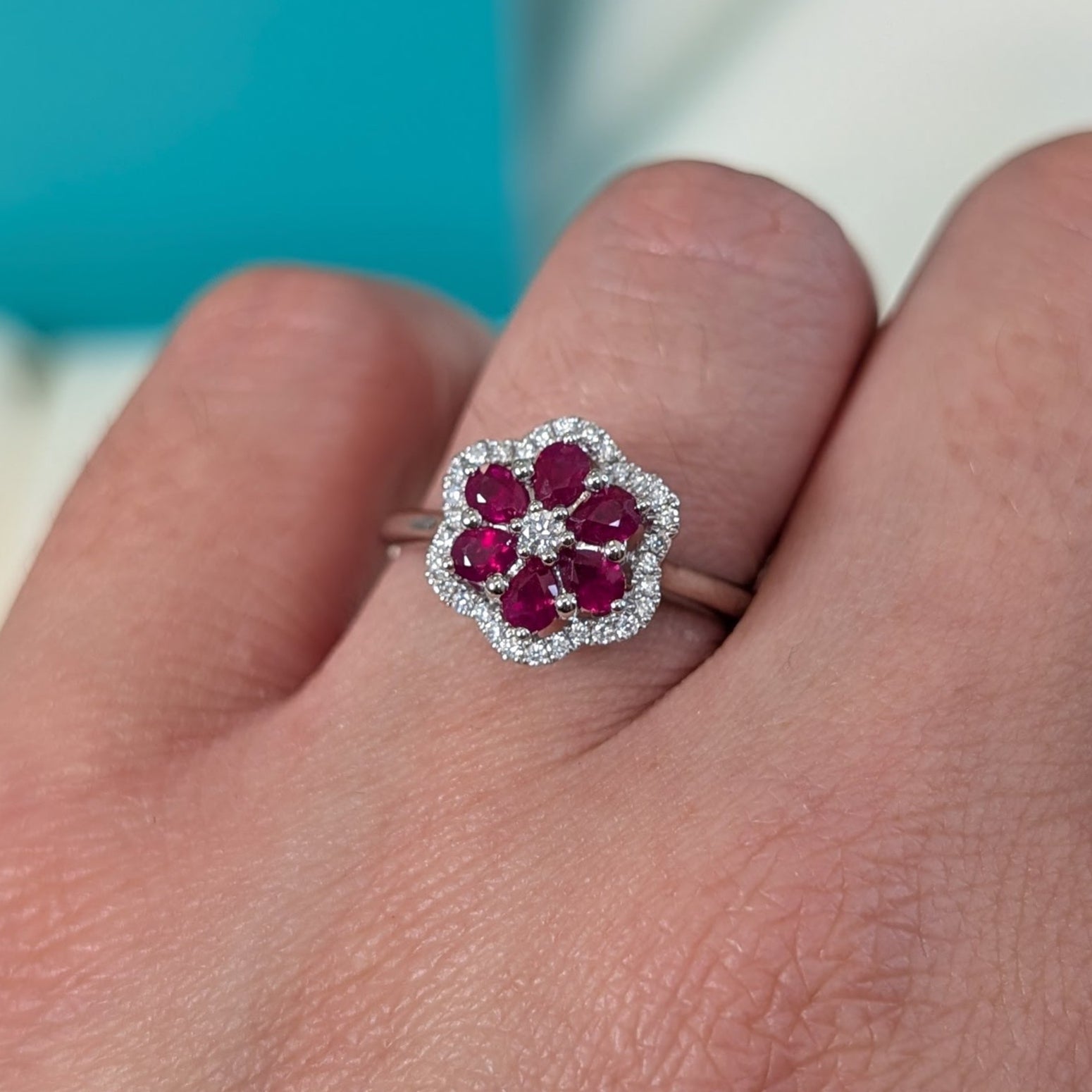
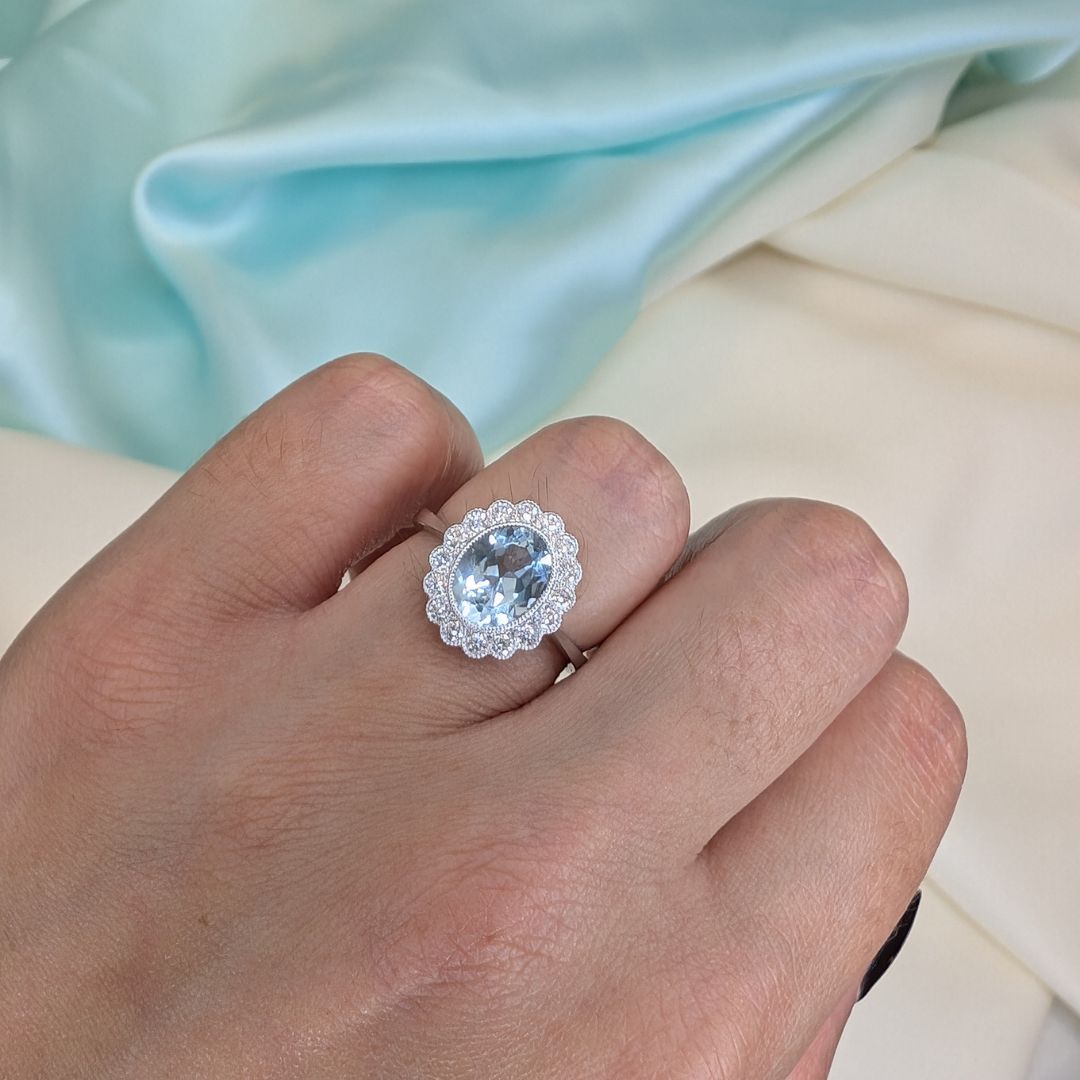
Smaller stones surround the centre stone to emphasise the sparkle or add a complementary colour.
-

Cluster
Multiple stones, grouped together to create a larger design and exceptional sparkle.
-

Art Deco
Geometric shapes, clean lines, and sometimes accented by contrasting gemstones or materials.
-

Toi et Moi
Translates to ‘you and me’ and features two gemstones to symbolise the union of two partners.


Band Fits and Profiles
-

Wed Fit
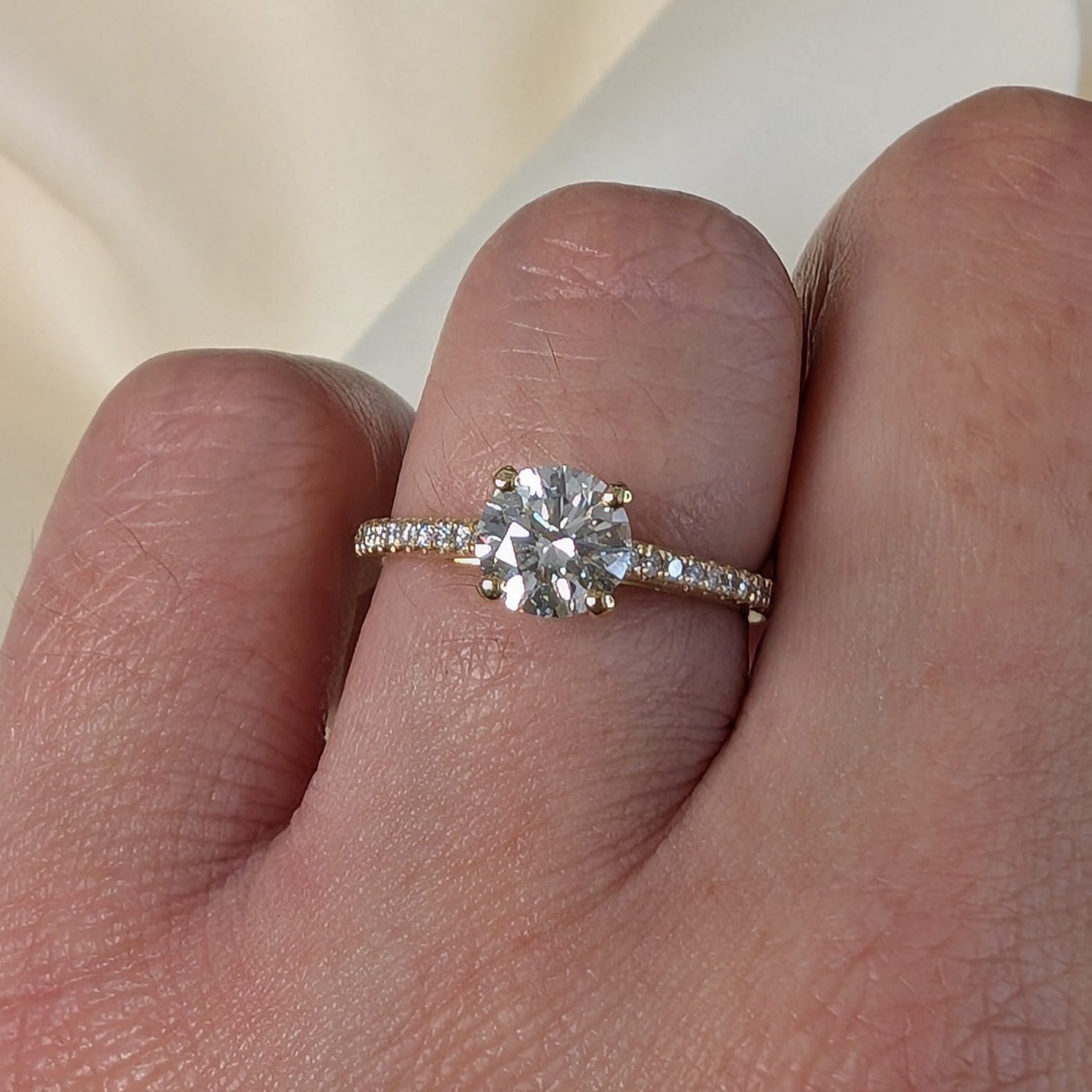
Wed fit refers to engagement rings designed so that a straight wedding band will fit flush against them. They often have raised or higher settings for their centre stones, so the wedding band sits comfortably beneath with no gaps, creating a seamless and comfortable fit.
-

Non-Wed Fit
Non-wed fit engagement rings feature a lower setting for the centre stone, meaning a straight wedding band will not sit comfortably or flush against it. This can result in gaps between the two rings that can create a less cohesive look and less comfortable fit.
-

Shaped to Fit
If your engagement ring isn’t wed fit but you’d like a seamless look, our shaped-to-fit service is ideal. By digitally scanning your engagement ring, our CAD specialist creates a custom wedding band that sits perfectly against your ring without gaps or obstructions.


How much should you spend?
There are no rules about how much you should or shouldn't spend when it comes to choosing an engagement ring. The most important consideration is deciding on a budget that feels comfortable for you - our team will then work with you to source or design a ring to suit your budget.
Finding out their size
Trying to find out your partner’s ring size without giving anything away can be a tricky task. Here are our top tricks to help you get it just right.
Ask their friends and family
Either they will already know, or they can bring it up casually in conversation without raising as much suspicion as you. Just make sure you pick someone who won’t ruin the surprise!
Raid their jewellery box
Obviously, the easiest way to get the correct size is to ‘borrow’ a ring they already wear on their ring finger and bring that into store, but even if you know they wear certain rings on other fingers, bringing those in can help us with the estimate. For example, if they wear a ring on their right index finger, we know the ring finger is often smaller so can make an educated guess based on the existing ring’s size.
Sneak attack
If you’re struggling, and think you can go undetected, using some ribbon,
string, or other material that doesn’t stretch may be your answer. While your
partner is snoozing, wrap the string around their finger and mark where the end
meets and bring this in to store for an estimate. Remember to be as quiet as a
mouse, you don’t want to have to explain why you’re crouched by them with
string in your hand while they’re sleeping...
Try it on yourself
If they have a ring that you know fits on the appropriate finger, try it on
your own hand and make a note of where it fits. You can use any of your own
fingers, but be prepared, it might involve some further trying on when you come
into store.
Draw around one they already wear
If all else fails, drawing around the inside circumference of a ring you
know they wear on their ring finger can help us gauge a rough estimate of the
size, although this is less accurate than other methods. Be careful not to mark
the ring itself, though.